What is a meniscus ?
Symptoms of a torn meniscus
Symptoms of a torn meniscus may appear up to 24 hours after tearing. The most common symptoms include:
-
A popping sensation/sound at the time of tearing
-
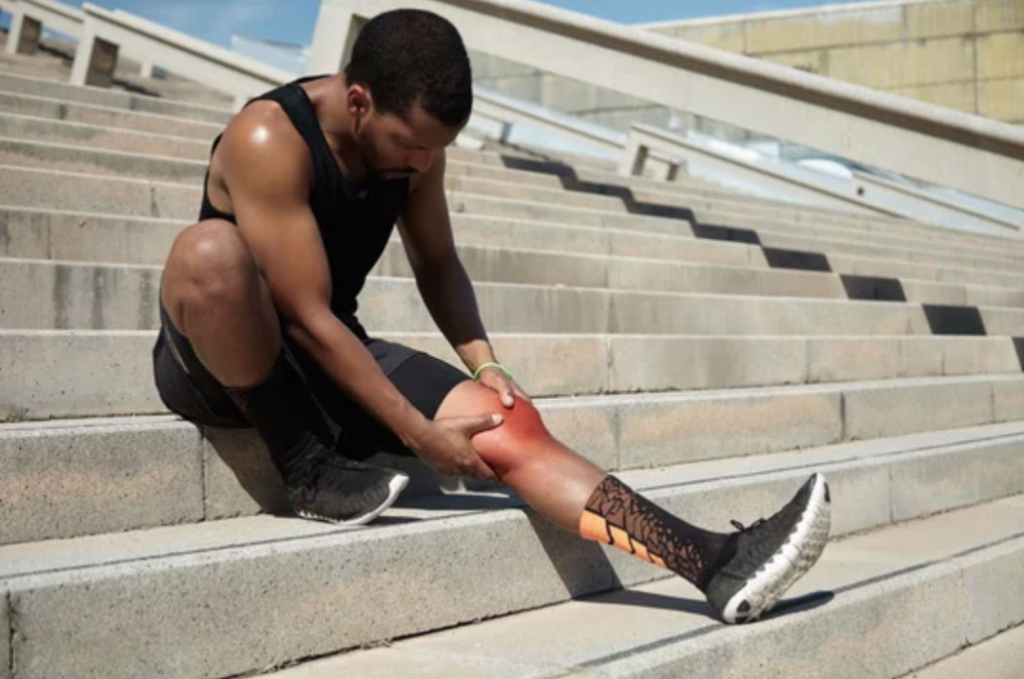
Swollen knee
-
Pain that increases if you twist or turn your knee
-
Inability to straighten your leg
-
Knee weakness and instability
How does the meniscus tear?
What are the risk factors for meniscus tears?
Treatment
A torn meniscus is typically treated using either surgery or physiotherapy.
Surgery
The surgery used to repair meniscal tears is called an arthroscopy. It involves cutting out the torn part of the meniscus.
Physiotherapy
Physiotherapy is a non-invasive treatment that usually involves manual therapy and exercise. In recent years, it has become increasingly popular as a stand-alone treatment for a torn meniscus.
The research
The study published in the British Journal of Sports Medicine compared the effectiveness of physiotherapy and surgery in treating meniscal tears.
The study included 351 patients over the age of 45. All patients were suffering from a meniscal tear due to osteoarthritis.
The researchers randomly divided participants into one of two treatment groups:
- Surgery + Physiotherapy
- Physiotherapy
Both groups received biweekly physiotherapy sessions for 6 weeks. Patients in the surgery group underwent a meniscal arthroscopy prior to starting physiotherapy.
Researchers followed up with patients three, 6, and 12 months after the start of treatment. They observed the patient’s pain levels and functional ability.
Results
The researchers found that pain levels decreased, and functional ability increased similarly in both groups. They note that there is “little benefit” of choosing surgery versus physiotherapy as a treatment for meniscal tears (Kamper & Henschke, 2014). Instead, they suggest that physiotherapy should be the first-line treatment for meniscal tears.
References
Kamper, & Henschke, N. (2014). No benefit of surgery over physiotherapy for meniscal tears in adults with knee osteoarthritis. British Journal of Sports Medicine, 48(9), 797–798. https://doi.org/10.1136/bjsports-2014-093578