What is arthritis?
Arthritis is a general term used to describe disorders affecting the joints. It includes osteoarthritis, rheumatoid arthritis, gout, as well as others.
A joint is an area where bones meet. For example, the knee is a joint.
What is osteoarthritis?
Osteoarthritis is the most common arthritis disorder. It is characterized by wear-and-tear-like changes in the structure surrounding joint bones called cartilage.
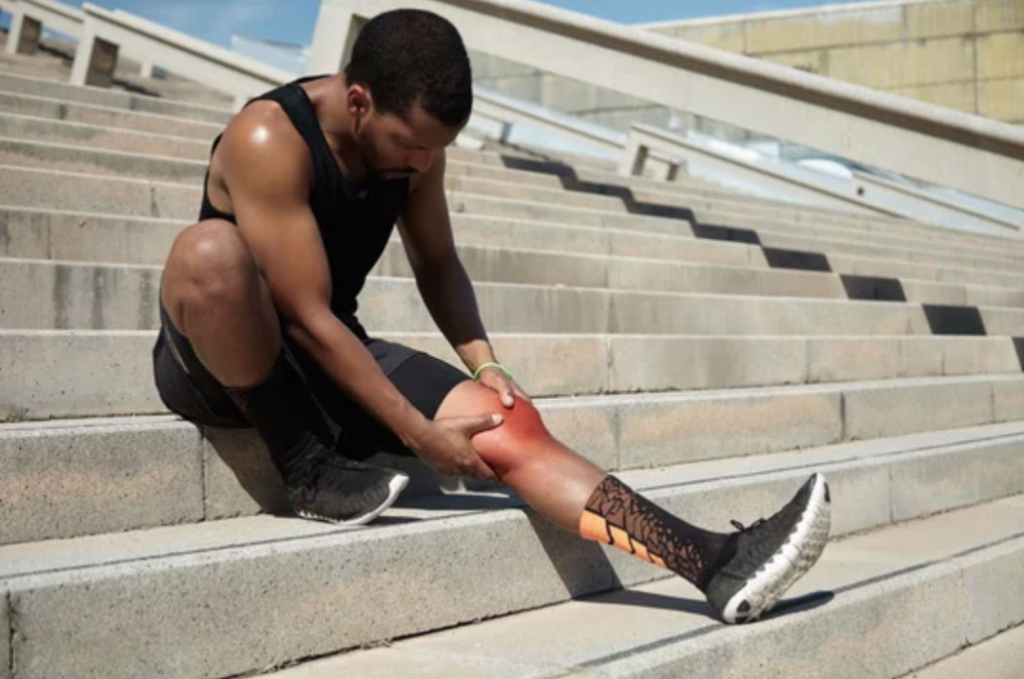
Cartilage is found at the end of bones and protects them from rubbing against each other. When cartilage is damaged, bones are free to rub against one another. This often leads to pain, inflammation, and stiffness in the affected joints. The most frequently affected joints are found in the hands, knees, and hips (Perlman et al., 2006).
How common is osteoarthritis?
Osteoarthritis is a very common disease. In the United States alone, more than 20 million people are affected by it (Felson et al., 2000).
What causes osteoarthritis?
Several factors may contribute to the development of osteoarthritis. They include:
-
Being over the age of 50
-
Prior injury
-
Family history of the disease
-
Joint abnormality
Symptoms
Symptoms of osteoarthritis develop gradually, usually over the course of several years. The most common joint symptoms include:
-
Pain and/or soreness
-
Stiffness
-
swelling
-
Decreased functionality and range of motion
How massage therapy can help
A study published in the JAMA Internal Medicine journal investigated the effectiveness of massage therapy on knee osteoarthritis (Perlman et al., 2006).
Over the course of 16 weeks, researchers from Yale University studied 68 patients with knee osteoarthritis from multiple healthcare centers across the USA. The mean age of the participants was 68.3 years.
At the start of the study, patients reported pain, stiffness, and limited functionality in the knee.
The researchers randomly divided participants into one of two treatments:
-
Massage therapy
-
Usual care
Both treatments lasted a total of 8 weeks. During this time, patients in the massage therapy group received 12 one-hour massage therapy sessions. Patients in the usual care group received treatments such as pain medication.
Immediately and 8 weeks after the end of treatment, the researchers followed up with participants. They found that patients in the massage therapy group had overwhelmingly lower pain, stiffness, and disability scores compared to patients undergoing usual care. Additionally, those who received physiotherapy had greater knee functionality.
The results of this study suggest that massage therapy is a safe and effective treatment for knee osteoarthritis. It has been shown to reduce pain and stiffness and increase the functionality of the knee, thereby reducing disability.
References
Felson, D. T., Lawrence, R. C., Hochberg, M. C., McAlindon, T., Dieppe, P. A., Minor, M. A., Blair, S. N., Berman, B. M., Fries, J. F., Weinberger, M., Lorig, K. R., Jacobs, J. J., & Goldberg, V. (2000). Osteoarthritis: new insights. Part 2: treatment approaches. Annals of internal medicine, 133(9), 726–737. https://doi.org/10.7326/0003-4819-133-9-200011070-00015
Neogi T. (2013). The epidemiology and impact of pain in osteoarthritis. Osteoarthritis and cartilage, 21(9), 1145–1153. https://doi.org/10.1016/j.joca.2013.03.018
Perlman, Sabina, A., Williams, A.-L., Njike, V. Y., & Katz, D. L. (2006). Massage Therapy for Osteoarthritis of the Knee: A Randomized Controlled Trial. JAMA Internal Medicine, 166(22), 2533–2538. https://doi.org/10.1001/archinte.166.22.2533