Massage After Heart Surgery
Benefits of massage therapy after heart surgery
According to research from Monash University in Australia, massage therapy is helpful for people recovering from heart surgery (Braun et al., 2012).
Cardiac surgery, also known as heart surgery, is used to repair heart structures and treat various heart conditions. Each year, more than 400,000 heart surgeries are performed in the United States (Bachar & Manna, 2022). The two most common surgeries are bypass and valve surgery.
Bypass heart surgery
The blood vessels carrying blood away from the heart are called arteries. Plaque can build up on the inside of the artery walls and narrow or block the passage. When arteries become blocked, they can cause a heart attack. Bypass heart surgery is done by creating a new passage using a healthy blood vessel to restore blood flow.
Heart valve surgery
Each heart has four valves: mitral, tricuspid, pulmonary, and aortic. Valves open and close during heartbeats allowing for blood to flow through. When valves are damaged, blood flow is disrupted. Heart valve surgery is used to repair or replace heart valves that don’t work.
How massage can help after heart surgery
One of the most common complaints following heart surgery is pain (Cogan, 2010). While some pain is expected, up to 55% of patients suffer from severe and long-lasting (chronic) pain. In addition, many people also report feeling anxious or depressed following heart surgery (Tully et al., 2008). Massage therapy has been shown to reduce pain, anxiety, and depression following heart surgery (Braun et al., 2012).
What is the massage therapy?
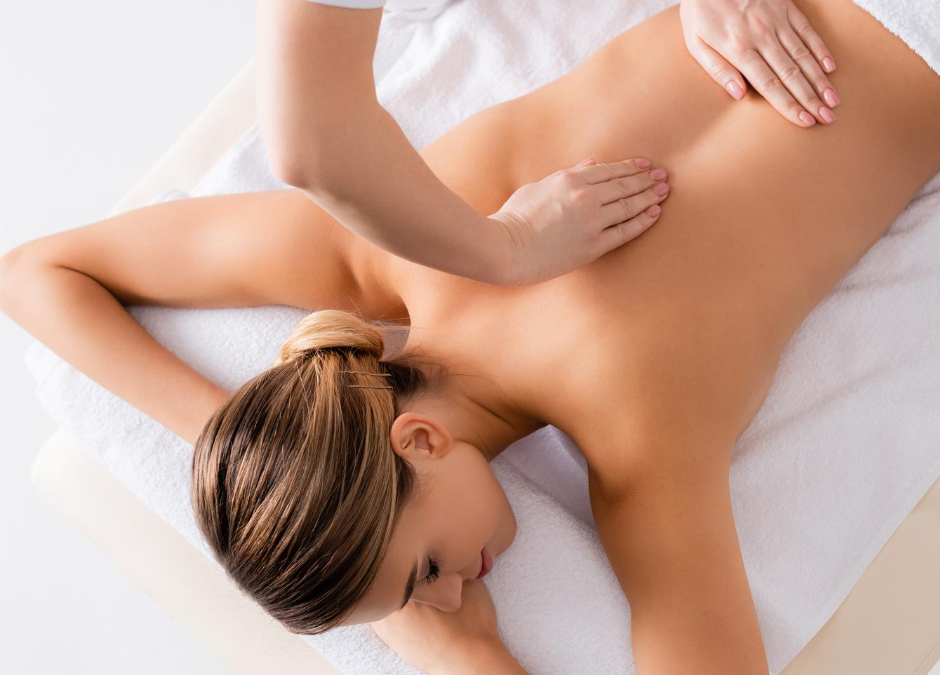
Massage therapy is a type of complementary and alternative medicine (CAM). It can be used to manage and/or treat various conditions (e.g., pain syndromes). Registered massage therapists use their hands to manipulate soft tissues (e.g., muscles, tendons, ligaments).
The Research
A study published in The Journal of Thoracic and Cardiovascular Surgery investigated the effects of massage therapy in patients recovering from heart surgery (Braun et al., 2012).
The study included 152 patients who recently underwent bypass and/or valve surgery.
A few days after surgery, the researchers randomly divided patients into one of two groups:
1. Massage therapy
2. Rest
Patients in the massage therapy group received a 20-minute massage on areas of their choosing. Some of the areas included shoulders, neck, and feet.
Results
Following the massage therapy and rest treatments, the researchers followed up with patients. They found that people assigned to massage therapy reported less pain, anxiety, and tension. Additionally, patients in the massage therapy group felt more relaxed.
There were no adverse events reported during this study.
The results of this study suggest that physiotherapy is safe and effective in reducing pain, anxiety, and tension following heart surgery.
References
Bachar, B. J., & Manna , B. (2022). Coronary Artery Bypass Graft. In StatPearls. StatPearls Publishing.
Braun, L. A., Stanguts, C., Casanelia, L., Spitzer, O., Paul, E., Vardaxis, N. J., & Rosenfeldt, F. (2012). Massage therapy for cardiac surgery patients—a randomized trial. The Journal of Thoracic and Cardiovascular Surgery, 144(6), 1453-1459.e1. https://doi.org/10.1016/j.jtcvs.2012.04.027
Cogan J. (2010). Pain management after cardiac surgery. Seminars in cardiothoracic and vascular anesthesia, 14(3), 201–204. https://doi.org/10.1177/1089253210378401
Tully, P. J., Baker, R. A., Turnbull, D., & Winefield, H. (2008). The role of depression and anxiety symptoms in hospital readmissions after cardiac surgery. Journal of behavioral medicine, 31(4), 281–290. https://doi.org/10.1007/s10865-008-9153-8